The skincare industry is constantly introducing new ingredients that promise healthier, younger-looking skin. Three ingredients gaining particular attention are peptides, exosomes, and PDRN. Although they are frequently associated with regenerative skincare, each works differently and offers distinct potential benefits. Understanding these differences can help you make more informed decisions about which ingredients may complement your skincare goals.
What Are Peptides?
Peptides are short chains of amino acids that serve as building blocks for proteins, including collagen and elastin [1]. These proteins help maintain the skin’s firmness, strength, and elasticity.
In skincare, certain peptides are used to support collagen production, calm inflammation, and improve the appearance of aging skin. Different types of peptides serve different purposes, so their effectiveness depends on the specific ingredients and formulation.
Peptides may help address visible concerns such as fine lines, wrinkles, dryness, and loss of firmness [1]. They are commonly found in serums, moisturizers, and eye creams, making them relatively easy to incorporate into an existing skincare routine.
What Are Exosomes?
Unlike peptides, which consist of amino acids, exosomes are tiny structures released by cells that transport proteins, lipids, and genetic material between cells [2]. Essentially, they act as messengers that help cells communicate.
In skincare, exosomes are being explored for their potential to support skin rejuvenation, regulate inflammation, and encourage tissue repair. They may appear in topical serums or be offered alongside professional procedures such as microneedling.
However, research on exosomes for cosmetic skin treatments remains preliminary, and their long-term safety and effectiveness require further investigation [2].
The FDA has also stated that there are currently no FDA-approved exosome products [3]. This makes it especially important to understand the distinction between emerging skincare ingredients and clinically established treatments.
What Is PDRN?
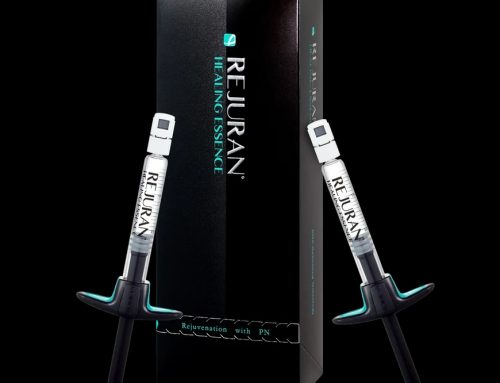
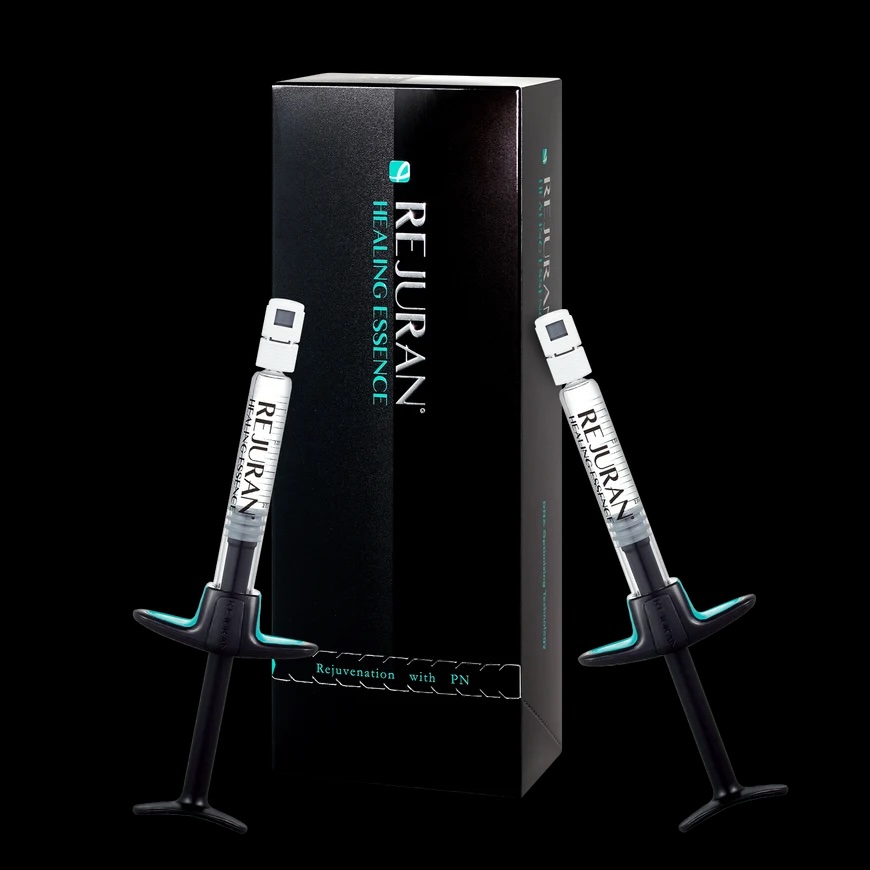
PDRN stands for polydeoxyribonucleotide, a compound consisting of DNA fragments commonly derived from salmon.
Unlike peptides and exosomes, PDRN is being studied for its potential to support tissue repair, reduce inflammation, and promote skin regeneration [4]. It has gained popularity in regenerative skincare, particularly through treatments commonly called salmon DNA facials.
PDRN may offer benefits for individuals concerned about skin hydration, uneven texture, reduced elasticity, and visible signs of aging.
Early research suggests potential improvements in skin hydration and elasticity, although larger clinical studies are still needed to establish effectiveness and long-term safety, particularly for injectable treatments [5].
PDRN is also increasingly appearing in topical skincare products, offering another way for consumers to explore this ingredient.
What Are the Main Differences?
Although these three ingredients are often grouped together, their primary differences involve their composition and how they interact with the skin.
-
Peptides: Chains of amino acids used in skincare formulations to support skin proteins, firmness, and the appearance of aging skin.
-
Exosomes: Cell-derived messengers being investigated for their potential role in cellular communication and skin rejuvenation.
-
PDRN: DNA fragments being studied for their potential to support skin repair, hydration, and improved texture.
Another important distinction is the amount of research available. Peptides are already widely used in cosmetic formulations, while exosome-based skincare and PDRN treatments are newer areas of investigation. Their safety, effectiveness, and regulatory considerations can also differ depending on the product and how it is administered.
Discover the Right Skincare Approach for Your Goals
Choosing skincare ingredients involves more than following the latest beauty trends. Your skin type, individual concerns, and treatment preferences all play a role in determining which options may be appropriate.
Whether you’re interested in improving skin texture, maintaining firmness, or exploring newer skincare innovations, professional guidance can help you navigate your choices.
Contact NY Face Place today to explore personalized skincare options and discover an approach tailored to your skin’s unique needs.
Sources: