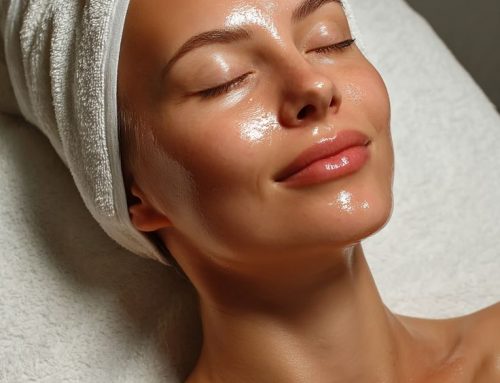
When it comes to improving skin tone, texture, and overall radiance, two of the most trusted treatments in medical aesthetics are microneedling and chemical peels. While both stimulate renewal and enhance skin quality, they work in very different ways. Understanding how each treatment functions can help you determine which option aligns best with your skin goals.
What is Microneedling?
Microneedling, also known as collagen induction therapy, stimulates collagen and elastin production by creating controlled micro-injuries in the skin [1]. These tiny punctures trigger the body’s natural wound-healing response, increasing growth factors and promoting dermal remodeling.
Research shows microneedling can improve acne scars, fine lines, enlarged pores, and uneven texture by encouraging neocollagenesis and skin regeneration [2]. It is considered minimally invasive and safe for a wide range of skin tones when performed by trained professionals.
Since microneedling works within the dermis rather than removing surface layers, results develop gradually as collagen production increases over several weeks. A series of treatments is typically recommended for optimal improvement.
What is a Chemical Peel?
Chemical peels use controlled exfoliation to remove damaged outer layers of skin and accelerate cell turnover [3]. Depending on the strength of the peel, treatment can target superficial discoloration or penetrate more deeply to address wrinkles and acne scarring.
Superficial peels using glycolic acid or salicylic acid improve tone, brightness, and mild acne [3]. Medium-depth peels, often involving trichloroacetic acid, can treat actinic damage, pigmentary dyschromia, and textural irregularities [4].
Studies demonstrate that medium and deeper peels can stimulate collagen synthesis in addition to exfoliation [4], leading to smoother and firmer skin over time.
Which Treatment is Better for You?
The right choice depends on what you want to improve.
For acne scarring and deeper textural concerns, microneedling is often preferred because it remodels collagen beneath the surface. Clinical evidence shows multiple sessions can significantly reduce rolling and boxcar scars.
For pigmentation issues such as melasma or post-inflammatory hyperpigmentation (PIH), chemical peels may provide more direct surface correction. Superficial peels have demonstrated effectiveness in improving PIH, particularly when used carefully in patients with darker Fitzpatrick skin types [5].
Patients with darker skin tones must be evaluated carefully because PIH risk can increase with aggressive procedures [5]. Superficial peels and calibrated microneedling protocols are generally considered safer options when performed under professional supervision.
Downtime and Recovery
Microneedling typically results in mild redness, swelling, and sensitivity for several days. Post-treatment erythema generally resolves within several days as the skin barrier repairs itself [2]. Collagen remodeling continues beneath the surface for weeks after visible redness subsides.
Recovery from chemical peels varies by depth. Superficial peels often cause mild flaking for several days, while medium-depth peels may involve more noticeable peeling and temporary skin sensitivity [3].
Proper sun protection is essential following both treatments to prevent pigmentation changes.
Can Treatments Be Combined?
In some cases, combining treatments in separate sessions can enhance overall results. Sequential treatment approaches that address both dermal remodeling and surface exfoliation have been explored in clinical practice to improve texture and pigmentation simultaneously [6].
When performed strategically and spaced appropriately, this approach can address both structural and pigment concerns.
However, treatment plans must be individualized based on skin type, medical history, and aesthetic goals.
Choosing the Right Approach
There is no universal answer. If your primary concern is scarring, laxity, or texture irregularities, microneedling may offer more benefits. If brightness, discoloration, or mild acne are your main focus, a chemical peel may provide more immediate surface improvement.
A professional consultation ensures your treatment is both safe and effective.
To determine which rejuvenation option is right for your skin, contact NY Face Place today to schedule a personalized consultation and create a treatment plan tailored to your skin goals.
Sources:
-
https://www.aad.org/public/
cosmetic/scars-stretch-marks/ microneedling-fade-scars -
https://www.uofmhealth.org/
our-care/specialties-services/ chemical-peels -
https://nextstepsinderm.com/
derm-topics/superficial- medium-depth-chemical-peels/ -
https://journals.lww.com/pigi/
fulltext/2019/06020/role_of_ chemical_peels_in_ postinflammatory.2.aspx